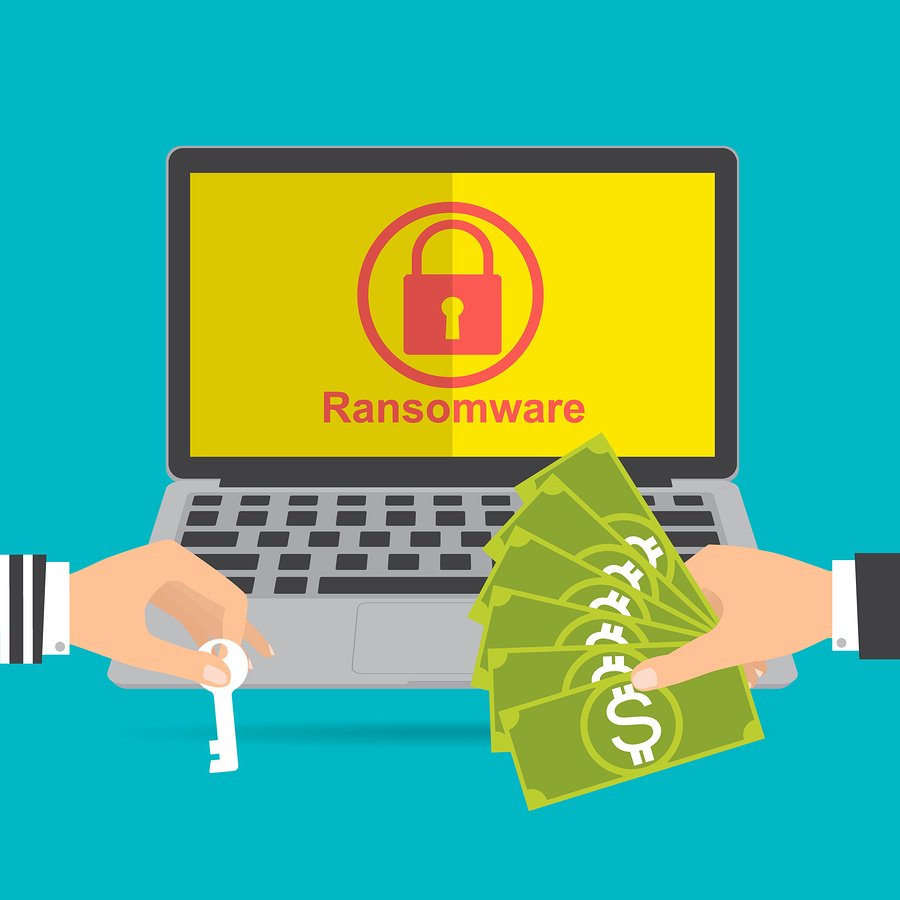
 We’ve talked about ransomware a lot in 2016. It’s a growing, ever-evolving threat to your data security that you may not be paying enough attention to. Preventing this form of cybercrime takes a combination of robust security, in-depth education of staff, and thorough back up. If you need more convincing that it’s a threat you need to take seriously, check out these 5 stats:
-
- On average, since January 2016, there are 4,000 ransomware attacks per day, a 3005 increase over last year, according to the FBI. This only represents a small portion of actual attacks, as many people don’t actually report them (if you need to report one, you can do so here).
- In 2014-2015, around 27,000 corporate users were attacked. Compare that with 2015-2016, when that number rose to 158,000, that’s over a six-fold increase, according to security vendor Kaspersky Labs.
- According to Webroot, 100,000 net new malicious IP addresses were created per day in 2015, a significant increase from the 2014 average of 85,000 a day indicating cybercriminals rely less on the same list of IPs, and are expanding to new IPs to avoid detection.
- Webroot also states that the U.S. continues to have the most malicious IP addresses of all countries. In 2015, it accounted for over 40 percent of all malicious IP addresses, a significant increase from 31 percent of malicious addresses in 2014.
- PhishMe released findings that indicate the amount of phishing emails containing a form of ransomware grew to 97.25% during the third quarter of 2016 from 92% in Q1. The most pervasive form of ransomware being Locky.
If you are the victim of a ransomware attack, call the security experts at Great Lakes Computer immediately. The sooner they can get access to your systems, the better. We have helped other clients regain control of their systems, read one example by clicking below.
 Bitcoin is now so ubiquitous that you’ll frequently hear stories about the world’s most popular virtual currency on the local evening news. Bitcoin and other virtual currencies have exploded in popularity in recent years, yet many people still don’t know much about their foundations and are unaware of the dangers involved in using them.
 The web we create with the introduction of newer, better technology is a tangled one. In a business setting, we not only have internal servers, but we operate on the cloud as well. We have BYOD (Bring Your Own Device) work environments where our staff are using their mobile phones and personal devices to conduct business on our behalf. We have wireless routers powering all of our office equipment, and all of our employees personal tech as well. All of this interconnectedness increases our efficiency and decreases the time it takes to get tasks done. It also opens us up to a world of network security risks like we’ve never faced before.