 There’s often a great deal of cognitive dissonance on the part of business owners when it comes to disaster recovery. They think they don’t need to plan for an emergency because they doubt it will ever happen to them, despite the fact that serious data losses occur relatively frequently. Network emergencies can result in lost revenue, require precious resources to correct, alienate customers, and even completely suspend operations. If you haven’t taken the time to implement a robust disaster recovery plan, your company could be unnecessarily vulnerable in the event of a problem.
Why you need a disaster recovery plan
You wouldn’t drive a car without insurance, so why would you run a company without a disaster recovery plan? These plans are designed to streamline the process of getting your operations back up and running as soon as possible in the event of a network emergency, minimizing lost revenue and resources. Disaster recovery provides a concrete plan of actions including, but not limited to, switching to off-site backup centers, establishing which systems are a priority, and training employees on how to communicate with customers while systems are down.
It’s important for these policies to be clearly outlined in writing in a way that any employee could follow them to the letter in case the person responsible for developing the plan is not available. Additionally, since the particulars of the systems, employees, and sites involved are potentially changing all the time, the disaster recovery plan should be updated at least quarterly to ensure that all information is as accurate as possible.
Man-made disasters
There are seemingly countless situations that can be caused by humans, whether the source be maliciousness, negligence, or human error. One of the newest trends in hacking involves breaching a company’s security protocols, encrypting the stored data, and demanding ransom money for its release. The proliferation and reliance of sensitive data has resulted in an increase in hacking activity, but your systems aren’t only vulnerable because of criminals.
Data disasters can be caused by anything from improperly installed software to inadequate hardware maintenance. Even if your tech team has followed every procedure perfectly, you could overwhelm and crash your servers because of unanticipated demand.
Natural disasters
You also have to worry about the worst that mother nature has to offer. Tornados, hurricanes, earthquakes, snowstorms, and more have the potential to sever power connections instantly and for an undetermined period of time. During this time, your entire system could be rendered useless or severely limited.
Don’t let the unexpected derail your business
Network disasters can wreak havoc on even the best organizations, and a superior product or loyal customer base may not be enough to save your company. Enlisting a trusted IT services company can be an important part of your disaster recovery plan, as you’ll have access to a full suite of emergency services when you need them most. Great Lakes Computer will work with you to ensure that you are prepared for any disaster that comes your way.
 Data Backup and Recovery Saved this Hospital from Paying the Ransom
 Cloud computing isn’t just a buzz word anymore. It is where the majority of data processing and storage is headed, if it’s not already there. The cloud offers many advantages over premise-based hosting, the most important of which is Agility. The cloud is scalable and adaptable and in a fast-paced business environment, that is key. But is it safe? It’s safer than you think. Cloud security is adaptive, it can respond as threats or opportunities rise. Here, DataCenterJournal.com tells some of the trends in Cloud Security that we can expect this year:
 The world is constantly becoming more interconnected. Modern broadband technology has brought cheap and reliable communication, increased the efficiency of many processes, and changed entrepreneurship as we know it. It has also opened the door for tech criminals to feast on the ever-expanding availability of sensitive data, and despite the many noteworthy hacking scandals that have recently erupted, some businesses still don’t take network security seriously. Take a lesson from the following four data security breaches from the past year and don’t let you or your clients be the next victim.
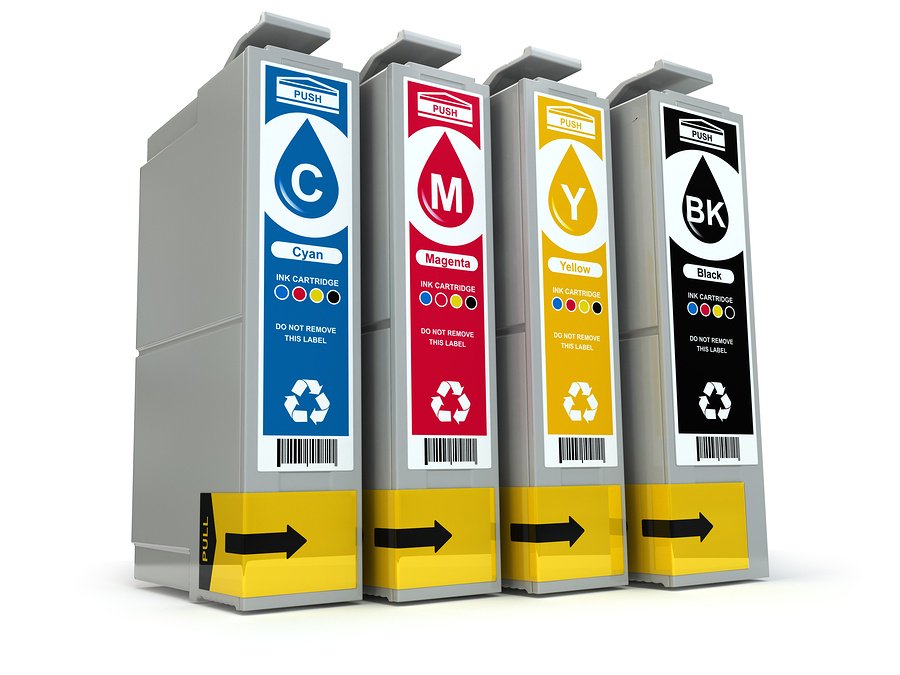 Even the highest quality printers suffer from wear and tear and experience the buildup of dirt and grime through repeated use. These conditions occur very slowly and they can cause your printer to experience diminished performance or even render it unusable. Regular printer maintenance and cleaning is the key to extending the life of your printer and ensuring that it is always delivering the peak performance you expected when you paid for the machine.
 There is nothing more agonizing than waiting for your computer to catch up with you. It gives bad flashbacks to using dial up modems. Are you willing to try your hand at some basic computer maintenance? The folks at


