 Point-of-sale (POS) systems are one of the most common pieces of technology in modern life, yet we don’t often stop to think about just how thoroughly they changed the nature of business transactions. What once required detailed ledger entries and mountains of paper records quickly became a streamlined operation thanks to the introduction of cash registers and bar codes. With the help of POS technology, store clerks could easily complete sales for the customer and update inventory with the push of a few buttons. Understanding the beginnings of POS technology can illuminate the state of the systems today, and give us a glimpse of what might be in store for the future of POS systems.
The early years of POS Systems
The earliest examples of what we think of as POS systems were simple mechanical cash registers that allowed a shopkeeper to log a sale and open the register by pulling a lever. These became commonplace around the middle of the twentieth century, and quickly led to the rise of computerized cash registers that were introduced in the 1970s. The most significant technological leap made possible by these new systems was the scanning of bar codes at the time of a sale. This allowed the business to seamlessly keep track of inventory with each transaction that was made.
From there, the next milestones arrived in the following decades as POS systems were tied to local area networks (LANs) and personal computers. These developments allowed multiple POS kiosks to be installed in a store that were all tied to a single software program and connected by a network.
The current state of POS technology
Current POS technology goes far beyond the original sales transaction features that were offered in the beginning. Today, many businesses are turning to all-in-one POS software solutions that integrate services such as accounting, customer relationship management, payroll, and operations in one system. Expanded network access has made it even easier for retail stores to setup self-service POS kiosks throughout the store, which can handle transactions such as barcode and coupon scanning, payments, and receipt printing without the need for employee assistance.
One of the most notable innovations in the POS system market has been the introduction of individual credit card scanners than can be attached to a smartphone or other wireless device. With these readers, any small business can instantly accept credit card payments for transactions no matter where they are, and do so without the need for expensive hardware.
What does the future hold for POS hardware and software?
Mobile technology is poised to continue to drive innovation in the POS technology sector, as many business will need to upgrade to compatible systems that will handle mobile wallet transactions in order to remain competitive. Software will continue to increase in sophistication, further facilitating the rise of tablet POS systems that can integrate data on the spot. It’s clear that mobile broadband networks and the cloud will continue to play an important role in the development of POS technology.
If you need assistance with your POS Systems, old or new, and POS repair, Great Lakes Computer can help.

 The seamless synchronization of our multitude of network enabled devices is incredible. They “talk” to each other, sharing and gathering information to help us better understand and control the systems around us. It is the Internet of Things. To put it simply,
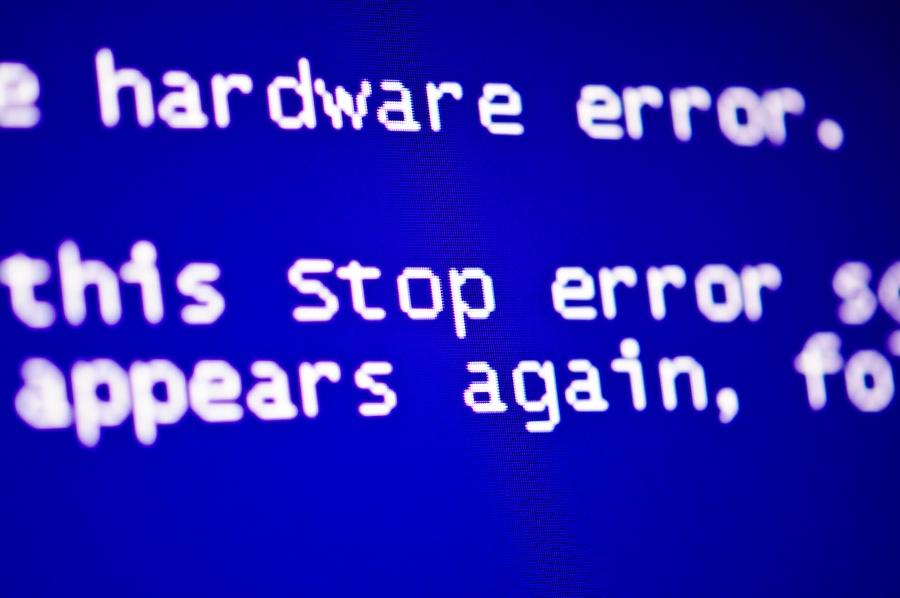 Ack! There is nothing more frustrating, and scary, to a Windows user than the error to beat all errors—the Blue Screen of Death (BSoD for short). This error can cause major data loss for any application that hasn’t saved recently if you don’t actively use data backup. However, even though it is a major, system-wide crash, it does not (necessarily) mean death for your computer. Here are five things you need to know when you experience this terrible blue menace:
 This week, the U.S. Department of Homeland Security suffered a major data security breach. A hacker released the names, contact info, and job titles of over 9,000 DHS employees. And they said they plan to release the same critical information of 20,000 FBI employees next. Here are the details according to an article published yesterday on
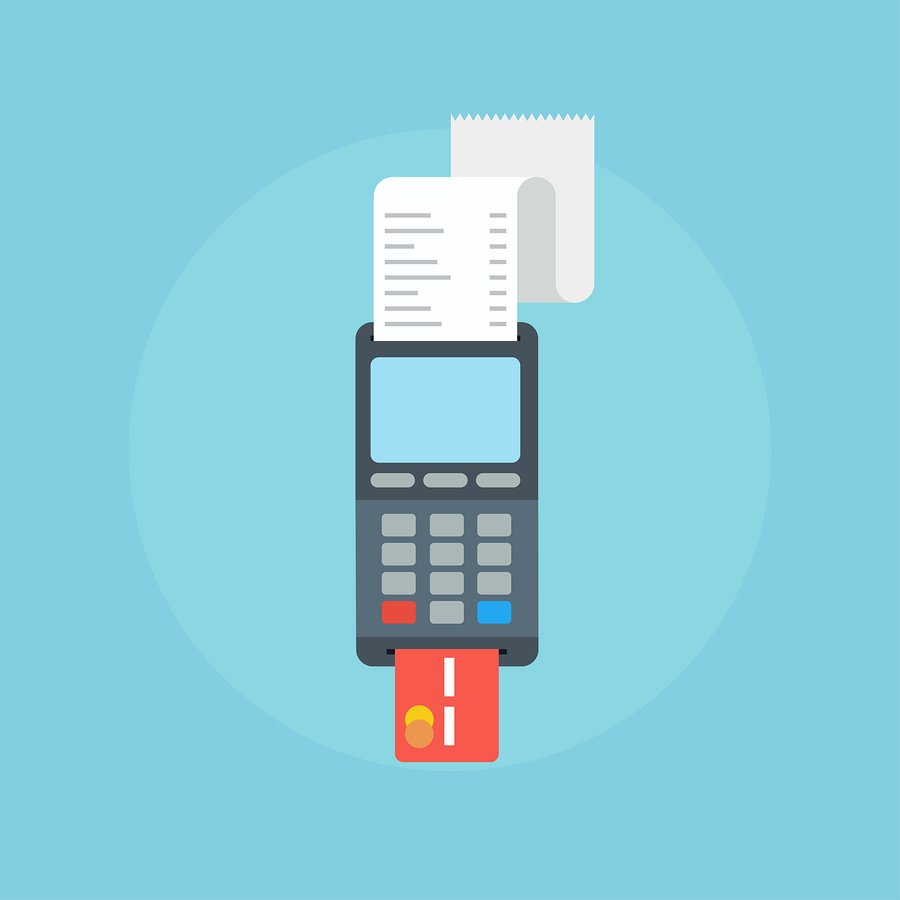 As much as any technological system you rely on, your POS system is the lifeblood of your organization. By facilitating sales, logging crucial data, and communicating with the bank for credit card transactions, a functioning and versatile POS system is an integral part of almost every company’s success.
 We all complain about glitchy computers. It’s too old, it never worked right, it keeps crashing. Sometimes it is faulty or outdated machinery. But most of the times the source of our computer problems is good, old fashioned Operator Error. We found a great article from

