 Nearly half of all companies have a BYOD policy, and more are making the switch every day. Allowing employees to use their personal devices (smartphones, tablets, laptops) for work responsibilities can result in increased productivity… and increased security concerns. We are sharing a post today from our partner at Informs, Inc. that presents 3 questions companies should consider before implementing a BYOD policy, or when revamping the one in place:
-
- Is your IT department equipped to handle a variety of devices? With each individual employee bringing in their own device, your IT department will need to be prepared to properly configure the applications and software used by each employee. With a wide variety of devices and operating systems to accommodate, IT needs to determine not only which users get access to corporate information, but also how to provide access for employees both local and remote. They also need to be able to provide troubleshooting assistance for these different devices. This can take more time and create more work for your IT department than it would to issue employees standard devices.
- Are the devices equipped with the proper security? Employees will need to access the company network, applications, and data, which probably contain confidential information. It’s important that this information is kept safe when employees leave the office. There may also be security measured dictated by your company’s compliance requirements. For example, under the Health Insurance Portability and Accountability Act (HIPAA), devices might need the ability to delete data remotely if disconnected from the network.
- Are the devices suitable for the workplace? In certain environments, like warehouses, field service, and even hospitals, there’s a good chance a consumer-grade device just won’t survive. If there is a chance the device will be dropped, taken out in the rain, or run over by some large piece of equipment, it’s best to choose a rugged device for use in the workplace. This will save employees and employers the hassle of replacing devices that fail in improper environments.
Of course, even if you aren’t sure about the questions above, there are still ways to implement BYOD. Does your IT department just not have the extra time they’ll need? Look into a managed services offering. Don’t have the security you need? Check out what wireless LAN can do. Not sure about rugged devices? Ultimately, every company will need to weigh the pros and cons before making a decision when it comes to BYOD.
Regardless of what decisions you make on BYOD, having network security guidelines is paramount to any deployment of new devices or applications.
|
|

Click to edit your new post…
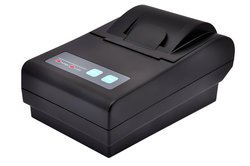 Businesses across many different sectors are increasingly turning to thermal printers for their printing needs. Companies are always looking for unique ways to reduce costs and increase productivity, and thermal printing manufacturers have aligned their value proposition with these goals, resulting in rapid sales growth that is
 The PC has been a mainstay of the business world for decades, which is a rare feat in the frenetic world of technology hardware. Its form may have transitioned from towering desktops and chunky monitors to sleek, lightweight laptops, but the essence of the PC has remained intact for far longer than most pieces of tech that pre-date the internet era.
 The following is a Phishing Scam Alert from the
 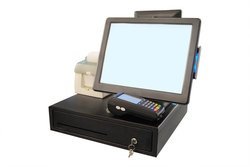 Where once you had to physically visit a store or call a salesperson in order to purchase anything, now you can seemingly buy everything with just a few taps on a smartphone screen. This massive increase in the online purchasing market has resulted in a proliferation of new manufacturing and retail businesses. It’s no secret that this trend has been a boon to the retail giants, but it’s also proving to be very lucrative for manufacturers of thermal printers.
 The global printing market is expected to top $980 Billion by the year 2018, according to a report by Smithers Group. This growth is despite the fact that many consider print to be dead, as we move towards an expanding paperless world. Consider, for example, the items and events in your life that are now paperless. Parents all around the world are required to fill out a multitude of forms before every school year, many containing pages upon pages of legal speak. Most districts across the US and beyond have moved to electronic forms for this annual ritual.