 You’ve heard about the Bring-Your-Own-Device (BYOD) revolution in the work place. It certainly has its benefits. We are on our smartphones at home and at work and use them everywhere else we go. It makes life so easy! All of our work and our play all in the palm of our hands. But there’s major trouble that can result from interconnected smartphone use in the office. A NetworkWorld blogger tells us more:
Over 1.06 percent of devices in April, were infected by some variant of malware. That’s an all-time high. Nokia’s twice-a-year report, released last week says it’s found that infections doubled in the first half of 2016, compared with the second half of 2015.
The Nokia Threat Intelligence lab includes “ransomware, spy-phone applications, SMS Trojans, personal information theft and aggressive adware” in its malware definition.
Android got pummeled. Three-fourths of all infections were discovered on the Android mobile OS. For comparison “Windows/PC Systems” attracted 22 percent and Apple’s iOS only 4 percent.
Games contaminating Android devices
More bad news for Android is that its app ecosphere became significantly more infected over the period, the lab says. Nokia says it’s seen a 75 percent surge in contaminated apps there. Blighted apps, which it records in a malware database, shot up from 5.1 million in December 2015 to a staggering 8.9 million by July. Games are thought to be the “key conduit,” the security experts say in their press release.
Nokia’s data is obtained from networks where its Nokia NetGuard Endpoint Security solution is deployed. That’s a network-based solution that doesn’t just cover mobile (as one might imagine based on the name); it also covers fixed setups and looks at Nokia customers’ subscribers’ endpoint devices. That includes laptops, phones and Internet of Things (IoT), Nokia explains in its report.
Its “solution is deployed in major fixed and mobile networks around the world, monitoring network traffic from more than 100 million devices,” it claims.
So, it also sees DDoS attacks, which it believes are hitting mobile Wi-Fi hotspots hard now.
“In 2016, DNS DDoS amplification attack activity continues to leverage devices in the mobile network, particularly mobile Wi-Fi hotspots that respond to recursive DNS requests from the internet,” Nokia says.
In terms of fixed residential networks, which it also monitors, it saw a slight increase in infections due to adware. That overall monthly infection rate averaged 12 percent in the first half of 2016, compared to 11 percent in the second half of 2015. Malware on Windows machines, including laptops, and infections on smartphones using Wi-Fi networks contributed.
What does this mean for your business? It means your customers and employees can be exposing your network to malware attacks. Is your network secure enough? Is your antivirus up-to-date? If your answer is, ‘I don’t know’, then call the security experts at Great Lakes Computer today. We’ll make sure your data stays in and viruses stay out.

 There are lots of ways that hackers can get to you. They can find you on public wifi, access data through your smartphones, and send you infected emails. But the easiest route they can take is the internet, via simple web surfing. With one click of a mouse, you can end up on an infected site unknowingly, giving cyber criminals a back door to your data. But Google is trying to help. Here’s an article, from
 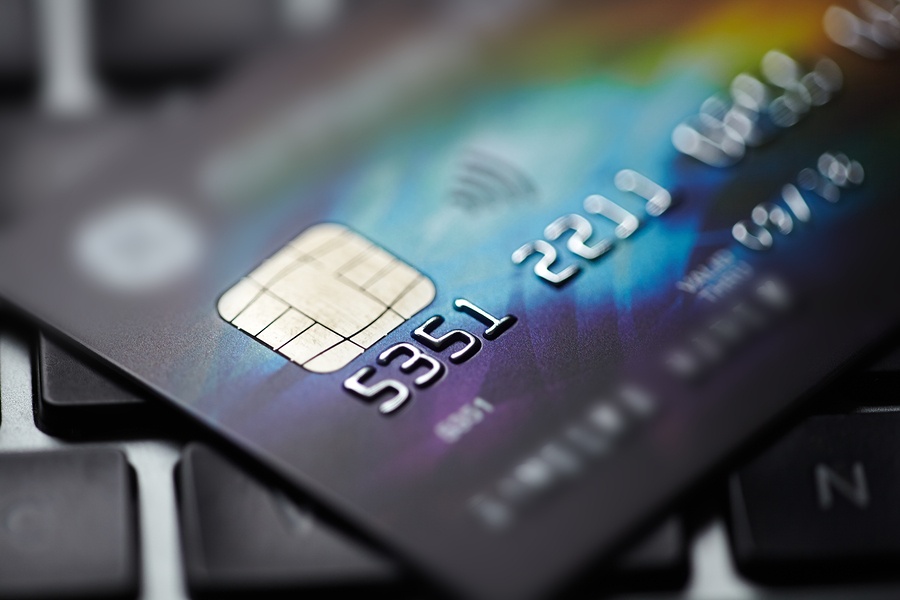 All of the major credit card schemes and card issuing banks have been transitioning to payment by chip card, also known as EMV. It’s an older but highly secure technology that is almost impossible to hack. The move to this type of credit card is in direct response to major database hacks of retailers and small-time theft of credit card information. The annual cost of card fraud in the US alone is in the billions of dollars.
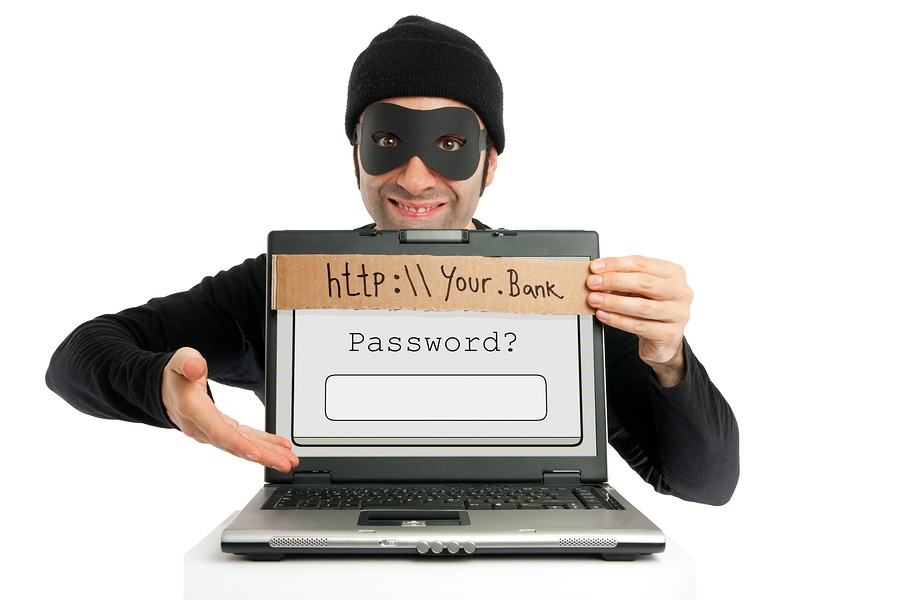 Most of our readers are computer savvy. They know the basics of how their IT works and are mindful of cyber threats and data security risks. But, we all have that relative or friend who is a late adopter of computers, networks, smartphones and the internet. They may not really understand the risks they create to their own personal data when they log on. Here are the top 3 most common security risks, and how to avoid them. You might want to pass these along to those that could use a little guidance when it comes to protecting their valuable information.
 Many business leaders assume that by handling Information Technology (IT) management in-house and having greater control over the process, they’ll be able to minimize costs and inefficiencies. It’s actually a fallacy, and here are five signs you need to watch out for.
 Monitoring your company’s server is critical to the smooth day-to-day operations of your business as well as maintaining satisfied clients. Unfortunately, some companies only casually observe daily issues involving the server, often allowing small, correctable problems to develop into major ones. Outsourcing server monitoring, which can be completed remotely with the help of advanced software programs, will save you money and the hassle of dealing with unexpected server outages. Continuous, remote monitoring of your server ensures your system stays up to date with updates and backups, and will alert you to any issues of concern before they become a crisis for your entire organization.


